
The goose-beaked whale, known for reaching record-breaking depths in the ocean, may hold secrets that could transform human medicine.
According to National Geographic, researchers are studying how these elusive whales survive extreme oxygen deprivation during dives that last for hours—adaptations that could inspire new therapies for conditions like stroke, cancer, and even COVID-19.
Unlike humans, goose-beaked whales can dive nearly two miles deep and stay submerged for over three hours.
To endure such feats, their bodies have evolved remarkable strategies to cope with hypoxia, or oxygen deprivation, which would otherwise cause brain and organ damage.
Early findings from Duke University’s research show that whale skin cells continue consuming oxygen even under low-oxygen conditions, unlike cells from humans or cows that slow their use.
Whales also carry genetic adaptations in mitochondria—the “powerhouses” of cells—that allow them to keep producing energy with minimal oxygen.
Other studies reveal that diving mammals like whales and seals have up to twice the blood volume of humans, carrying more hemoglobin and myoglobin to store oxygen.
Their heart rates can plummet to fewer than 10 beats per minute during dives, conserving oxygen by reducing blood flow to non-essential organs while prioritizing the brain.
In addition, whales appear to produce neuroglobin, a brain protein, at far higher levels than land mammals, protecting neurons from oxygen shortages and oxidative stress.
These mechanisms could one day help humans manage oxygen-starved conditions.
Medical researchers hope to identify whale-derived molecules that regulate inflammation and oxygen use in novel ways, potentially leading to new drugs that limit tissue damage in strokes or improve cancer treatment outcomes.
Similar work on bowhead whales is exploring their resistance to aging and cancer, while other cetacean studies may shed light on dementia.
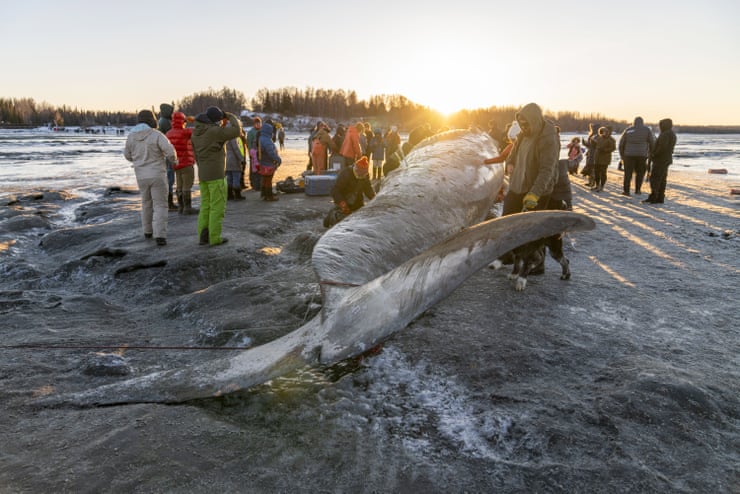
For now, scientists are still in the discovery phase—collecting skin biopsies from live whales and tissues from stranded animals. But the research underscores the extraordinary resilience of ocean life and its potential to improve health on land.
Protecting whales and their environment may not just save marine biodiversity—it could also hold the key to saving human lives.
This article by Nicholas Vincent was first published by One Green Planet on 27 August 2025. Lead Image Credit: Andrea Izzotti/Shutterstock.
Help to protect wildlife
Help to protect wildlife by donating as little as $5 – it only takes a minute!
 Donate
Our conservation partners spend at least 90 percent of the money raised on actual fieldwork rather than administration and fundraising.




Leave a Reply